
News
Updated: 03 November 2025
Key Takeaways:
- Composite decking can be more expensive upfront ($119 to $299 per square metre for materials) but saves homeowners years of maintenance and thousands in long-term upkeep.
- While timber offers natural charm, premium composite decking resists fading, warping, mould, and termites, staying safe and beautiful in any climate.
- While timber is the ‘natural’ option, capped composite offers the natural look of timber with a smaller environmental footprint.
Timber and composite materials are the two most popular decking choices for an attractive, long-lasting finish. But which is better value for homeowners in Australia? Here’s all you need to know to make an informed choice in decking products.
Timber Decking – Pros and Cons Explained
Timber can be beautiful when first installed, but requires ongoing time and cost to keep it looking good as the years roll by.
Why do people choose timber decking?
Timber decking is the old standby, with sturdy planks made from various types of hardwood. Popular Australian lumber species include Jarrah, Blackbutt, and Spotted Gum.
Some types of wood are more prone to fading and weathering than others, so your choice matters when it comes to choosing suitable materials to withstand the test of time.
What are the drawbacks of having a wood deck?
Timber is an organic material that degrades over time. This means you must stay on top of maintenance to make sure your decking is safe for you and your family. You may also have to replace boards as they fail.
A common gripe for family homes with timber decks is splinters, which can easily hurt little feet or get stuck in paw pads. Other common timber issues include:
- Warping or cracking over time
- Slippery when wet
- Susceptibility to termites and rot if left unchecked
- Regular sanding, decking oil or painting required
All of this means timber costs a lot of time, money and effort over the years… and your free time is too precious to spend all of it on home maintenance!
Composite Decking – Pros and Cons Explained
Composite decking is different. It’s a modern, durable solution that saves homeowners years of maintenance and upkeep – and often pays for itself over time.
Why choose composite decking for your new deck?
Composites like NexGEN’s PermaTech® range combine repurposed hardwood with recycled plastic, making it a more eco-friendly choice compared to many popular hardwoods. These materials are mixed and held together using a binding agent to make incredibly strong decking boards.
Because premium composite decking is highly weather-resistant, factors such as placement and local climate (UV levels, rain, salt exposure for coastal properties) are less important in your decision-making.
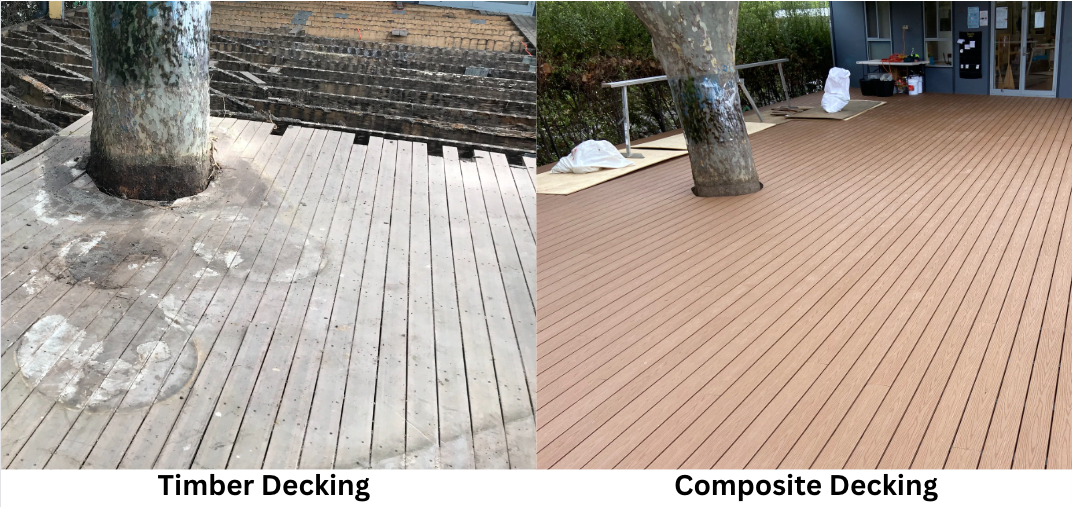
Here’s a before and after photo showing weather damage to an existing timber deck that has not been cared for, and replacement composite boards that now require very little maintenance whatsoever:
Related: What is Composite Decking?
Materials to suit any decking project
Composite decking also provides attractive, high-performing options for flame zone decking. You don’t have to give up on outdoor living just because of your area’s bushfire zone regulations. Depending on where you live, you can still have either composite boards or Aluminium DryDeck (a non-combustible option suitable for even the most at-risk flame zone areas).
Which looks better, Timber Decking or Composite Decking?
Timber Decking
Traditional timber decking has a natural appearance. You can use oils or other treatments to alter the tone or appearance of the deck’s surface. However, you must reapply the treatment every year to maintain the desired colour.
Wooden decking turns silver-grey if allowed to age without additional treatment (you can see this clearly in the before and after photo above). Some people enjoy this ‘patina’ or ‘silvering’, but letting your timber age in this way means more risk of splintering or other damage – and often leaves uneven marks where potted plants, furniture or shade sails have been.
Composite Decking Boards
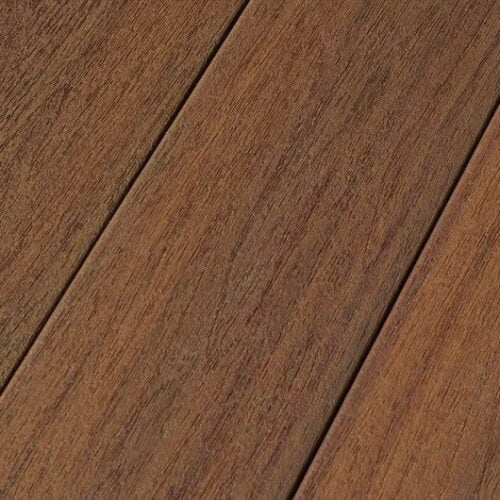
Composite decking offers a broader range of design choices. Some products are textured, while others have colours and patterns resembling natural wood. Unlike timber, capped composite decking does not turn grey over time. This is particularly obvious in warm toned timber like spotted gum, which goes silvery over time; meanwhile our premium spotted gum composite decking remains as good as new.
Composite decking has come a very long way since it first appeared on the Australian market. Premium composite brands like NexGEN are specifically designed to balance performance with appearance, making them almost indistinguishable from ‘the real thing’.
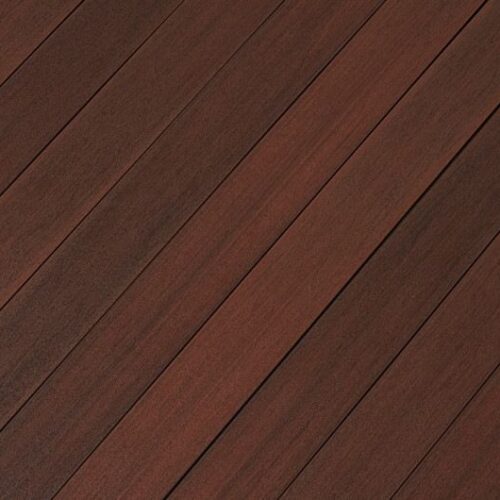
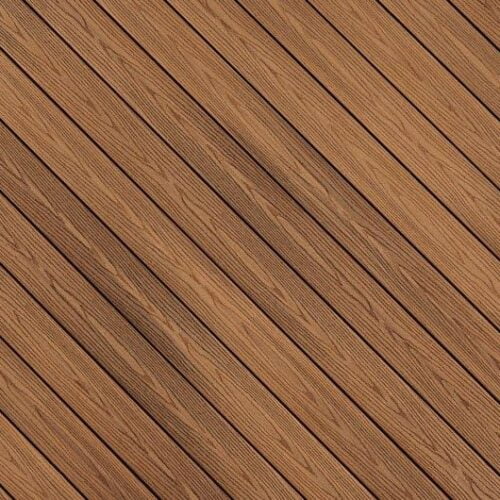
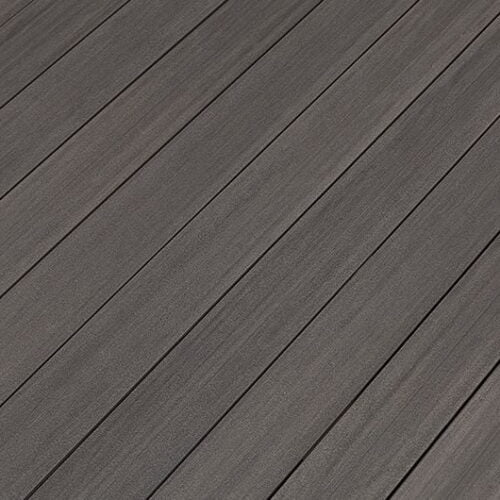
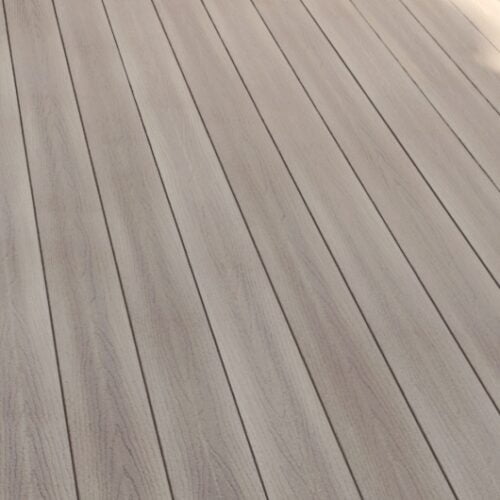
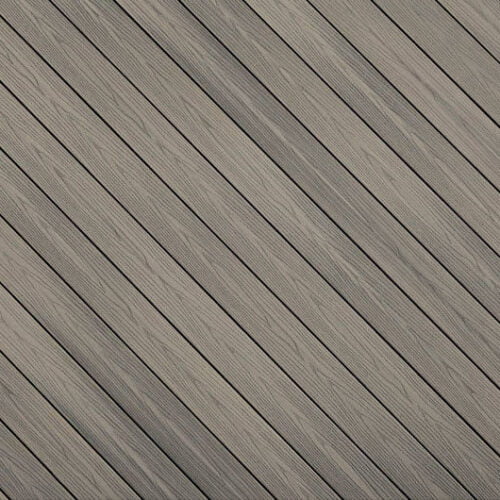
Here are some of our most popular colours that offer a warm appeal and mimic various hardwood species, so you can achieve the ‘natural beauty’ minus the common issues from using timber:
| Spotted Gum | Jarrah | Blackbutt |
|---|---|---|
 |  |  |
| Graphite | White Oak | Multi-chromatic |
 |  |  |
Click the following link to see complete range of NEXGEN composite timber decking.
DO YOU WANT A
FREE SAMPLE PACK?
Can’t decide on a colour?
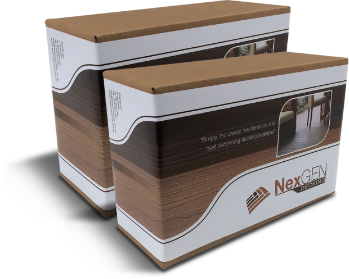
Fill out the form, and we’ll Express Post your free decking samples to you ASAP!
LET’S GET STARTED
ON YOUR PROJECT
Contact us to kick things off. This will be more fun than you think!
Composite Decking vs Timber Costs
You can compare composite decking versus wood costs in two ways: considering the initial price or considering the lifetime cost.
1. Initial price
Composite decking has historically has a higher initial cost, though this gap is not as drastic as you may think. Premium composite materials are $119 to $299 per square metre in 2025 (materials only) and can easily be a DIY project. Wooden decking, say treated pine, comes in at an estimated $220 – $260 per square metre (including labour costs) or $40 – $50m squared for the timber by itself.
You can estimate the costs of your decking project with our free composite decking price tool.
2. Lifetime cost
The graphic below shows a comparison of the real cost of ownership per year for traditional wood versus composite decking:
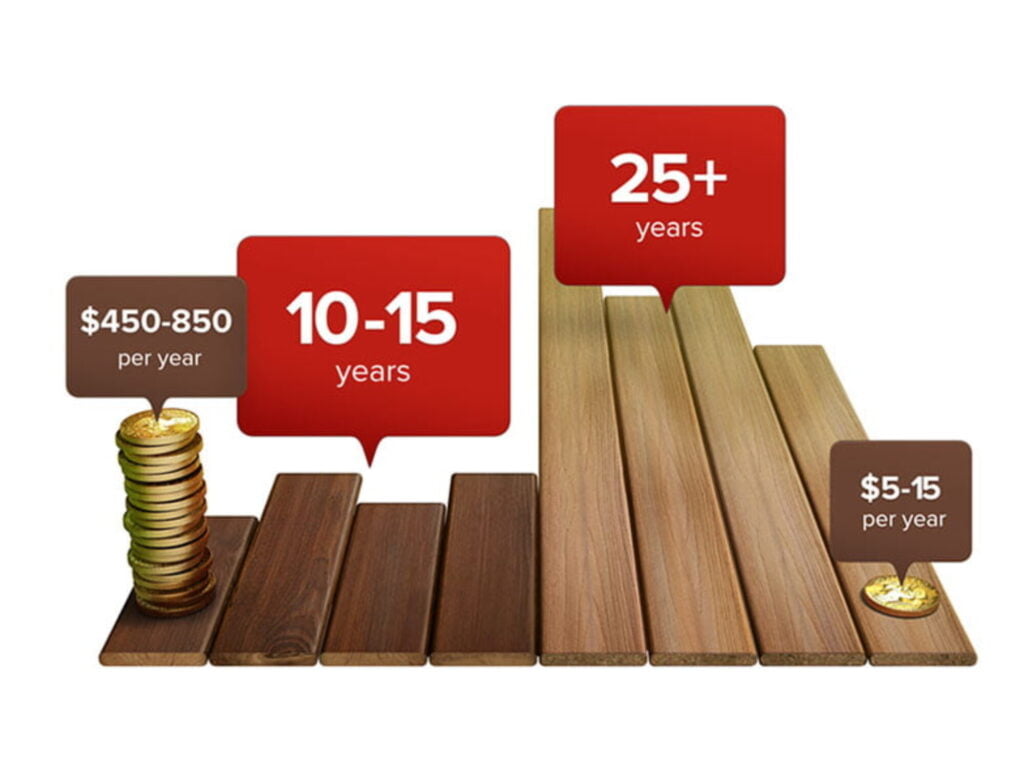
Hardwood decking maintenance costs at least $450 per year for sanding, sealing and other treatments – while maintaining capped composite boards can cost as little as $5 annually.
You can clearly see the financial advantages of ultra-low maintenance composite decking vs timber. Even when factoring in higher upfront costs, composite decking quickly becomes the cheaper option when you remove annual maintenance and refinishing expenses… not to mention the hours spent on regular upkeep.
Related: Why You Can’t Afford to Buy Cheap Composite Decking.
Which is easier to install?
Composite decking boards are a fully engineered product, which simplifies and speeds up the installation process. Boards can be cut, but you often won’t need to do this for standard decking layouts. The supporting structure (subframes, joists, etc.) are also pre-fabricated for quick assembly and installation.
With timber decking, the installer will likely need to cut timbers onsite when building a natural wood deck. It’s a messier process and often takes longer, requiring more specialised knowledge (whereas NexGEN products are manufactured for easy DIY if you so choose).
Installation requirements for both types of decking will vary depending on the structure, the supports, and extras like a waterproof drainage system (such as NexGEN’s DryJoist system).
If you’re a keen DIY enthusiast, watch our YouTube explainer video below on how to build a deck using NexGEN’s low profile DIY DeckCell technology:
How long will your decking last?
A well maintained timber deck can last anywhere between 10 and 40 years, depending on the timber species and your local conditions. Common ‘real wood’ options like treated pine will last around 15-20 years if you take care of it – some hardwoods will last longer.
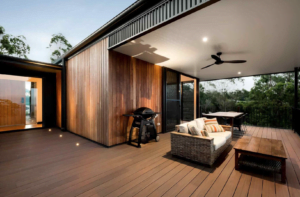
NexGEN’s flagship range of Select capped composite decking boards has the industry’s first 50-year fade and stain warranty and lifetime performance guarantee. This means you’re protected against fading, splintering, delamination, warping, rot and structural damage from fungal decay.
View the Select range of capped composites now
Not all composite materials are created equal. Be sure you’ve done your research before deciding on a supplier. Our warranties and guarantees are why we’re one of the leading composite decking brands on the Australian market. Want some free samples of our composite deck boards? Simply write us an email telling us about your project, and we’ll send you a box by Express Post.
Mitigating moisture risks in your outdoor living space
Composite decking manages moisture more effectively and features a slip-resistant texture, making it safer in wet conditions like around pool areas. It also stays cooler underfoot during hot Australian summers and resists mould growth.
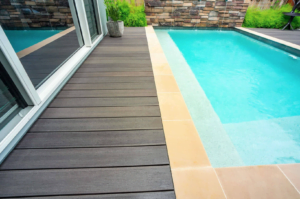
For more information about pool decking options, see Composite Decking for Pool Surroundings.
Wooden boards, by comparison, can quickly become hazardous in these situations. Not only is wet wood slippery; the planks are a natural target for mould and other fungi around pools or in shaded areas where they won’t get dried out quickly after damp days.
Mould growth can expose you, your family, pets, and guests to potential health issues. This risk is especially dire for people with mould sensitivities or pre-existing respiratory conditions.
Related: Capped Composite Decking vs Uncapped Composite Decking
Avoiding insect damage to decking materials
A wood deck is a primary target for pests. Termites pose a significant threat to it. These pests can eat several times their body weight in wood daily, and a swarm can quickly damage structural integrity. If left untreated, an infestation could damage a conventional deck beyond repair.
Termites are not attracted to the wood fibre and plastic mixture in composite decking, so this material is the obvious choice in areas prone to termite infestations.
Making the environmentally friendly choice
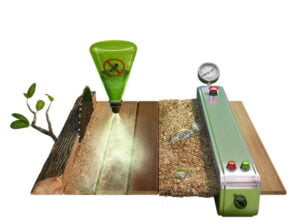
Natural timber is biodegradable, yes, but forestry often has negative environmental and social impacts. For example, popular timbers like Merbau are prized for their durability as a hardwood, but are often harvested in questionable ethical and environmental circumstances. Composite made from recycled materials (wood and plastic) generally have lower environmental impact and can be recycled at end-of-life – making them a more renewable resource.
The graphic below illustrates composite vs natural lumber decking in terms of pest control requirements and the use of recycled plastic:
Which decking product is right for you?
In our view, capped composite is the superior choice of decking material because it provides all the best benefits: Convenience, low maintenance, lower total cost of ownership, and longevity.
Simply put, composite decking gives you all the desired aesthetics of timber without the ongoing hassle.
Buying the best decking for your home
If you are looking for the best composite decking in Australia, consider NexGEN Decking. We use Fiberon composites, which are made in North America and come in different styles, colours, and textures.
While our premium composite decking prices are higher than some of our competitors, our products inspire confidence with a warranty of up to 50 years for residential customers.
NexGEN Decking has offices in Melbourne, Sydney, Perth, Brisbane, and Adelaide and we deliver our products right across Australia. Why not reach out to us today and learn more about our high-quality capped composite decking?
DO YOU WANT A
FREE SAMPLE PACK?
Can’t decide on a colour?
Fill out the form, and we’ll Express Post your free decking samples to you ASAP!
LET’S GET STARTED
ON YOUR PROJECT
Contact us to kick things off. This will be more fun than you think!
Products
Gallery
Contact
Direct Office Numbers
Adelaide – (08) 6316 0469
Brisbane – (07) 3041 6065
Sydney – (02) 8072 6220