
News
Key Information
- Capped and uncapped composite decking differ mainly in durability and protection; capped boards include a protective outer layer that shields against moisture, UV and staining.
- Uncapped composite decking can suit low-budget or low-exposure areas, but it is more vulnerable to fading, moisture absorption and wear over time.
- Australian conditions favour capped composite decking, especially for coastal homes, full-sun decks, humid regions and pool surrounds.
- While capped composite costs more upfront, it typically offers better long-term value through lower maintenance, longer lifespan and stronger warranties.
Composite decking offers a low-maintenance, durable alternative to traditional wood decking. The two main sub-types are capped and uncapped decking. If you have just started researching or are getting bogged down under the technical jargon, this article will help you understand the difference – and, more importantly, which is right for you.

Composite decking explained
First, let’s establish what ‘composite decking boards’ are as a category before we get into any nuance. Composite decking boards are:
- Made using plastic content mixed with wood. Depending on the manufacturer, this process can use entirely post-consumer materials (such as recycled plastic content, timber mill scraps, other reclaimed timber diverted from landfill) or it can be a mix of pre- and post-consumer materials.
- Pest-resistant (termites and other borers) due to the plastic content.
- Generally more durable than traditional timber, though the lifetime of individual brands and ranges can differ drastically – you tend to get what you pay for.
- Some composite boards (like NexGEN PermaTech® decking boards) are also recyclable at the end of their lifetime.
Related: What is composite decking?
What is uncapped composite decking?
At a glance:
- Cost: Lower upfront (but will need replacing sooner)
- Maintenance: Moderate
- Stain resistance: Lower
- UV resistance: Higher risk of fading
- Aesthetic: More visible weathering over time
Uncapped composite boards are the same material all the way through. This makes them cheaper to manufacture (and to purchase for homeowners), but it comes at the cost of their durability in the face of moisture, UV rays, and general wear-and-tear.
If you choose uncapped composite decking, it is not likely to last as long as capped counterparts. Because there is no capping, the product is still porous as there is no protective layer; meaning wood fibres are exposed to the air and can therefore be more easily damaged, stained, or otherwise degraded.
Technical innovation has since led to more durable options for your composite decking projects, though you can still find uncapped decking boards on the market as they are a popular low-budget option to enhance an outdoor living space.
What is capped composite decking?
At a glance:
- Cost: Higher upfront (better value over time)
- Maintenance: Ultra low
- Stain resistance: High
- UV resistance: Strong
- Aesthetic: Vastly more colour-stable over time
Capped composite decking boards have a surface coating that works similarly to the coating on a golf ball, creating a strong and resilient layer that is bonded to the composite core during the manufacturing process.
This protective cap is what prevent staining and damage from UV, harsh weather conditions, pests, wear and tear, while stopping things like mould or mildew from growing in the exposed fibres (as can happen with uncapped options).
When you’re looking at capped composite decking, it’s important to get fully capped composite boards. Different levels of capping offering corresponding levels of protection. Partially capped boards (like half-capped boards) will still have areas vulnerable to moisture and other environmental factors.
Can you pressure wash capped composite boards?
One of the most significant practical differences between the two types is how they handle cleaning. Because uncapped composite material is porous, using a pressure washer can damage the wood fibres and lead to permanent “fuzzing” or surface degradation. In contrast, premium capped composites are engineered with a non-porous protective shell. This means they can safely handle a light pressure wash (usually under 3000 PSI) to remove stubborn dirt or pollen without the risk of splintering or moisture absorption. If you want a deck that can withstand a professional deep clean, capped is the only way to go.
For the most hard-wearing and truly convincing alternative to wood, you should opt for fully capped composite like NexGEN PermaTech® boards. These are available in a range of natural colours and textures inspired by real wood including spotted gum, white oak, or jarrah.
Which is better for Australian homes?
Australia has a tough climate. Your deck needs to be able to withstand heat, cold, UV, moisture, pests, and general wear and tear on top of it all.
Capped composite decking is better for Australian homes because it is more durable than uncapped. This suits any home or set up, such as:
- Coastal homes and salt exposure
- Tropical humidity in far north regions
- North-facing decks in full sun
- Pool surrounds or marine use
As always, though, there is a variation between brands and manufacturing processes; doing your research can save you stress and added expense down the track.
Related: Best Composite Decking Australia 2026
Cost vs. long term value
When it comes to composite decking boards, you don’t want to go with the cheapest option. Because composite materials are entirely manufactured products, you usually get what you pay for. If you want to avoid replacement or repairs in 10–15 years, premium capped composite typically offers better value.
Premium composite may cost more up-front than timber or cheaper composite options, but it will pay you back over time with decades of fuss-free outdoor living. Which is preferable: paying once and getting a lifetime of use, or paying multiple times over your lifetime for materials, cleaning, maintenance and pest control? Best to look for solid fill capped composite decking from the start.
Related: Why you can’t afford to buy cheap composite decking

Want an estimate of upfront costs for your next project? Try our pricing calculator.
The first thing many homeowners worry about (understandably) is up-front cost. You can get an idea of what your decking project materials would cost with our composite decking price calculator – you may also want to check out how NexGEN composite decking compares to wood in terms of cost, installation, environmental footprint, and long-term value.
ESTIMATE ONLY: This deck calculator estimates materials only. Labour costs are not included.
Why choose NexGEN capped composite decking?
When it comes to NexGEN vs competitors, we’ve got the market beat on everything that matters for your outdoor space.
1. Incredible durability in Australian climates
NexGEN’s capped composite decking is made specifically for Australian conditions. Manufactured in North America by Fiberon, our PermaTech® decking has a 50-year stain and fade warranty and a lifetime performance guarantee. It won’t splinter, stain, fade or rot; you and your family can enjoy your new decking for years to come.
2. Won’t warp or distort
In addition to the tough outer capping, the core of our composite boards is made from a mix of 98% recycled plastics and reclaimed hardwood timber. Using hardwood, with a solid filled core, means the boards are harder and don’t have the flex that can cause issues with softer fills or hollow boards.
Low-cost composite boards are typically softwood or bamboo filling, which is much more likely to warp or distort over time… leading to expensive fixes or replacement sooner than you would like.
3. Natural timber-look finish
Our boards are manufactured to look just like the real thing, with a realistic wood grain offering different patterns on each side. This means you can alternate the direction or orientation of the grain when installing, to get a convincing natural finish.
4. Ultra-low maintenance capped composite boards
NexGEN products are designed to be very low maintenance. You don’t need any special cleaning products or pressure washers – a good sweep will get them back to their best, or a quick wash with soapy water in the case of stickier debris like pollen or food spills. No sanding, staining, oiling or painting required.
Decking projects made easy with NexGEN
Spend less time on maintaining decking, and more time relaxing on the deck. Choosing premium capped composite decking means choosing effortless outdoor living, with decking that lasts a lifetime.
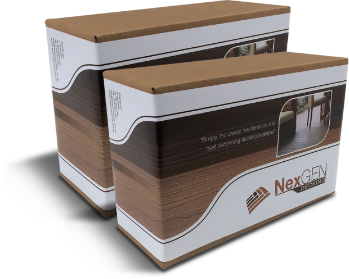
If premium capped composite feels like the right choice for your home, why not contact NexGEN today to get started on your next project. You can also request a free sample pack below.
DO YOU WANT A
FREE SAMPLE PACK?
Can’t decide on a colour?
Fill out the form, and we’ll Express Post your free decking samples to you ASAP!
LET’S GET STARTED
ON YOUR PROJECT
Contact us to kick things off. This will be more fun than you think!
Products
Gallery
Contact
Direct Office Numbers
Adelaide – (08) 6316 0469
Brisbane – (07) 3041 6065
Sydney – (02) 8072 6220